
I hadn’t planned on a seven‑week break between posts, but life had other ideas. The past several weeks have been hectic, and if you’ve been following along, you probably know why; we had to move out of our rental house by the end of April. That milestone is behind us, though we haven’t yet moved into our new home in Villaflor. That story deserves its own post, which I’ll share soon. For now, I want to highlight a few smaller projects we’ve completed at the house, starting with the installation of the wood stove.
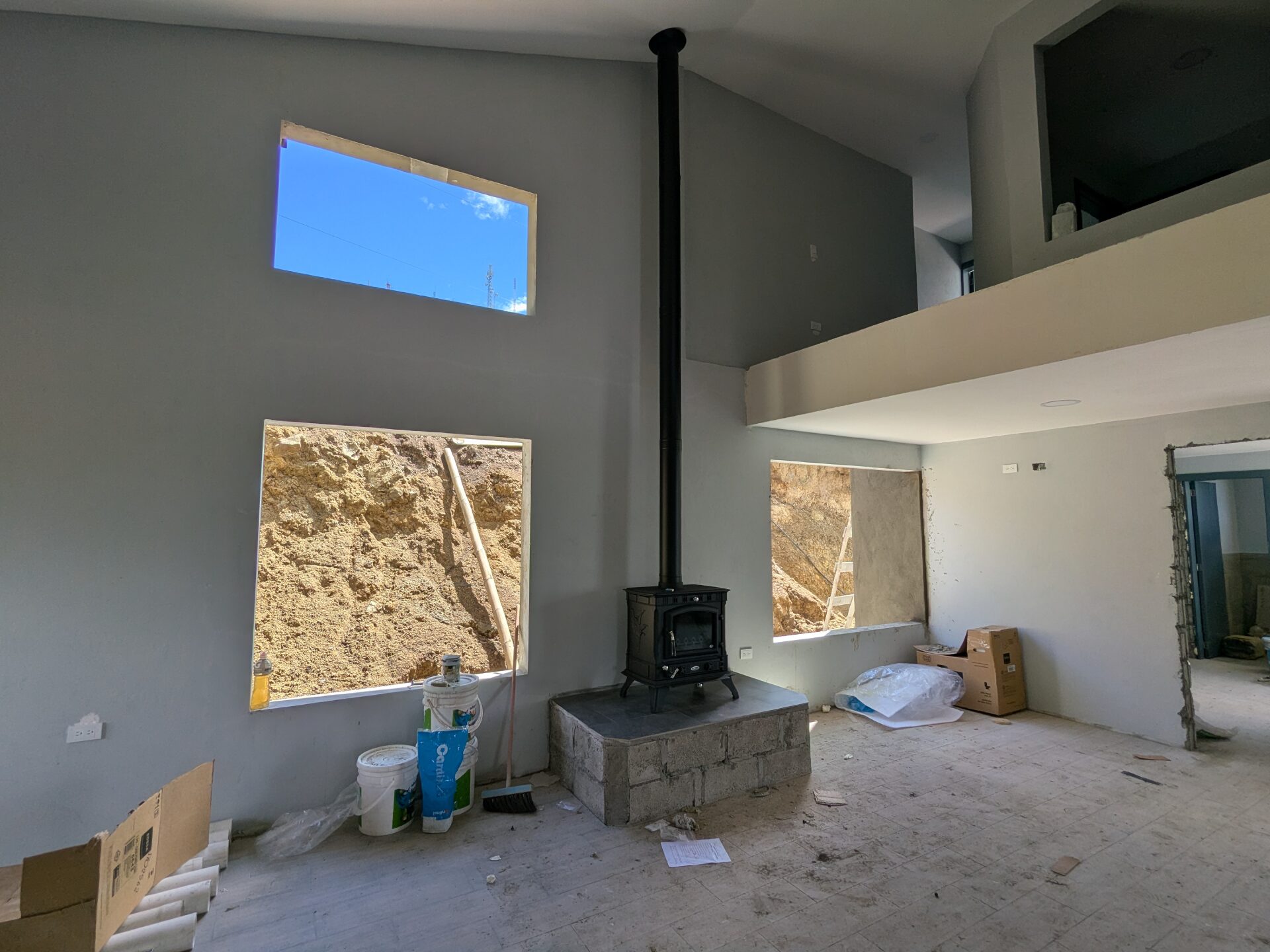
From the earliest design concepts of the home, we knew a wood stove would be the centerpiece of the vaulted social space, positioned between the dining and living rooms. At nearly 9,600 feet of elevation, a reliable stove was also essential for keeping the house warm on chilly evenings. Because of its importance, I began researching stove manufacturers and distributors in Ecuador more than a year ago.
To my surprise, I found several good local options. I visited each business, spoke with the owners, and explored how their stoves might fit into our vision. Some offered handmade, custom designs in any shape or size imaginable. While beautiful, these sheet‑metal stoves, with modern and minimalist styling, weren’t quite what I envisioned. Then I met Kleber, owner of C & C Heating in Ricaurte, a large sector of Cuenca. Though his company was relatively new, founded in 2023, Kleber imported cast‑iron stoves from trusted Chinese manufacturers. Heavy, well‑forged, and blending modern features with classic decorative accents, his stoves were exactly what I had been searching for.
I left that day with only my word that I’d return when construction reached the right stage. That moment came in November 2025, when I revisited Kleber’s showroom to place my order. Unfortunately, the model I wanted was sold out, but Kleber assured me a new shipment was on the way, with updated designs to choose from. Since construction was moving slower than expected, waiting made sense.
And waiting turned out to be the perfect choice. By mid‑April, with the stove platform built and porcelain tile freshly laid, Kleber called to say the new models had arrived. I drove out the next day and was thrilled to see a new, larger option featuring a unique orchid design on the sides, a perfect touch for a piece that would anchor the open design of our home. We finalized the purchase and scheduled installation for April 29.
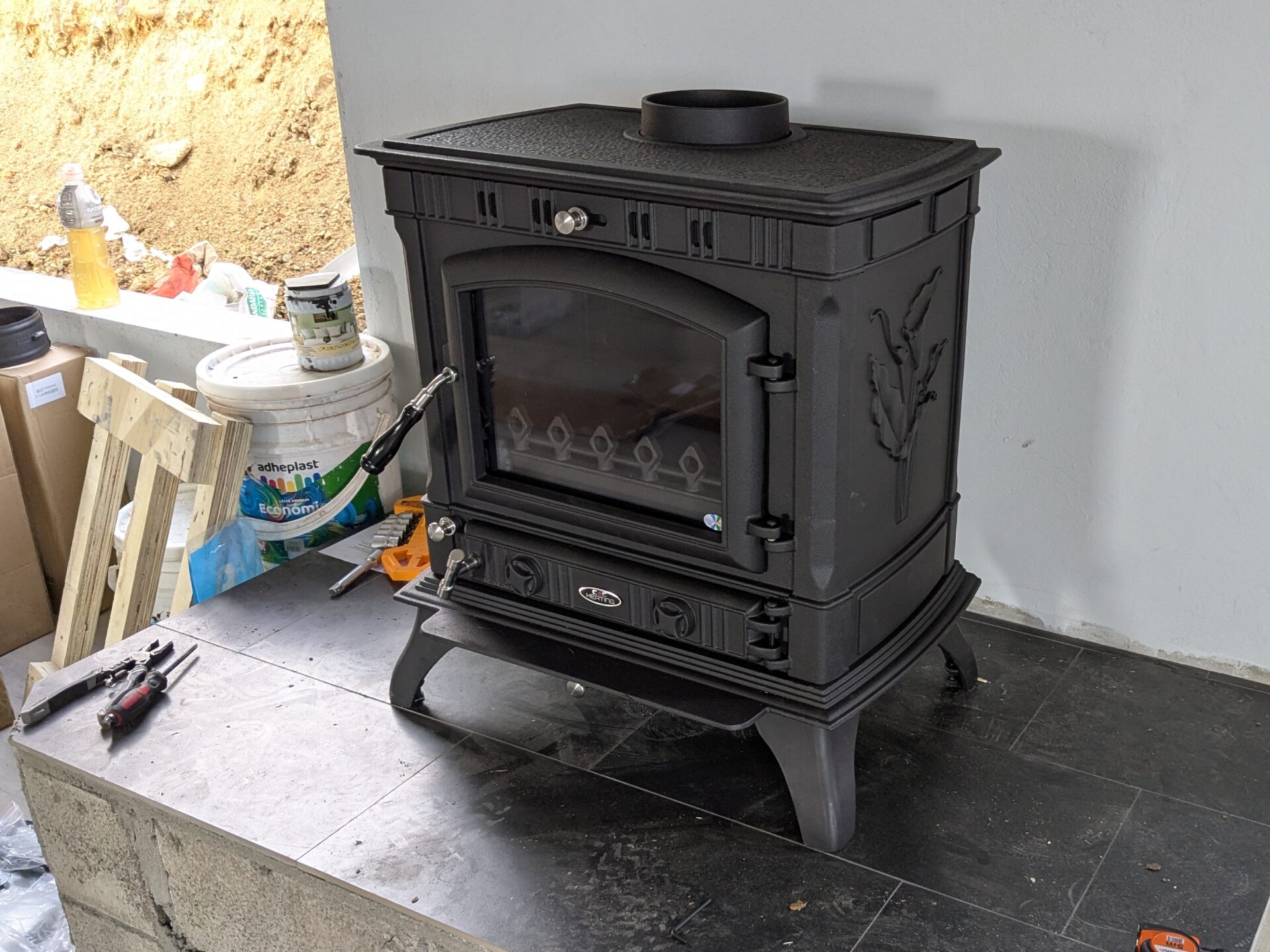
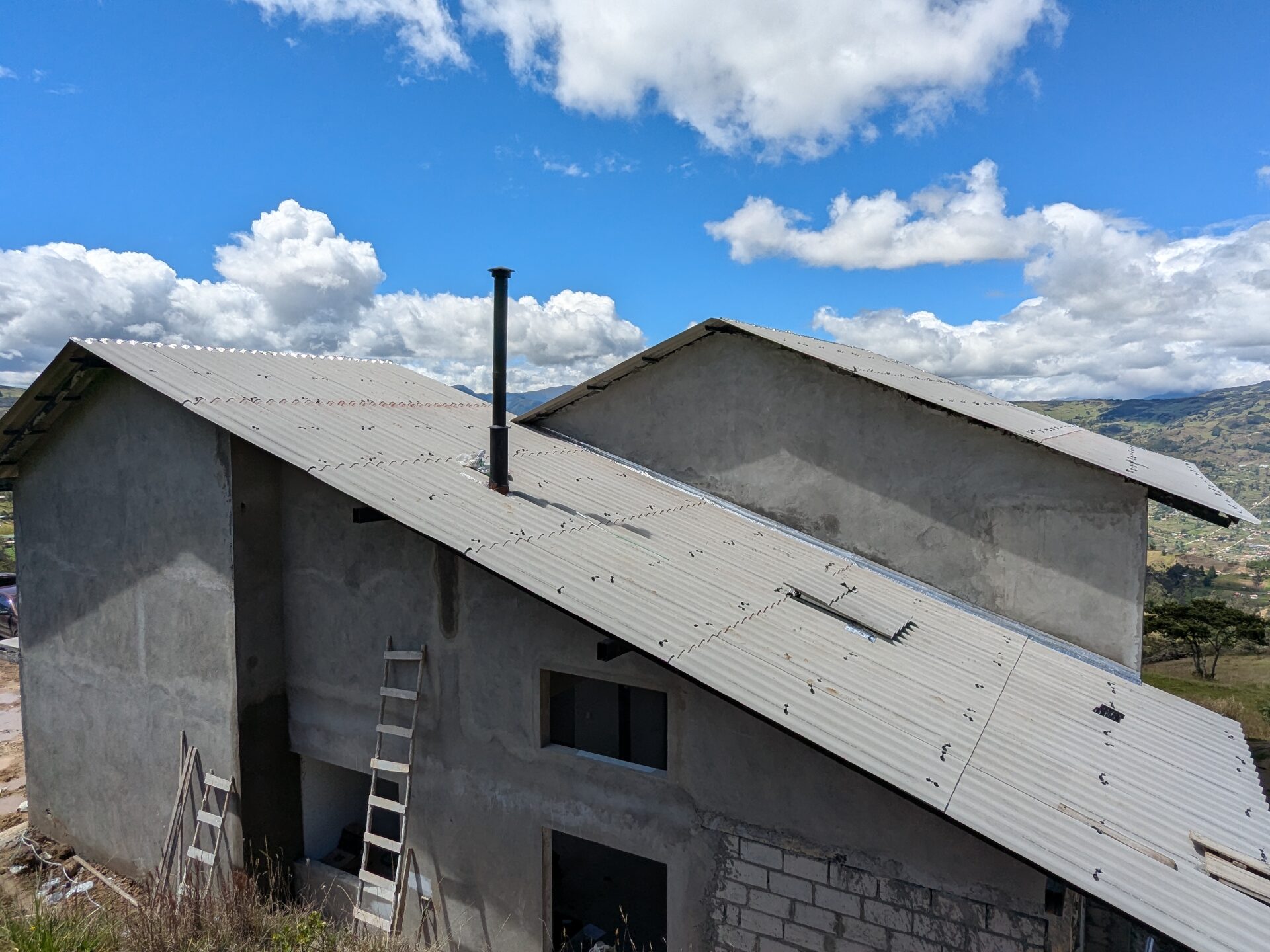
I met Kleber and his two crew members at the house around 8:30 a.m., and installation began promptly. I thought I would have a little more to say about this part, but, truthfully it was completely boring and uneventful, and that’s exactly how you want it. The team worked with precision and professionalism: carefully measuring for placement, making clean cuts, communicating clearly, and installing each component with care. They moved efficiently yet cautiously, ensuring no damage or even a stray mark was left anywhere in the house. Four hours later, the job was complete, and I had an expertly installed wood stove.
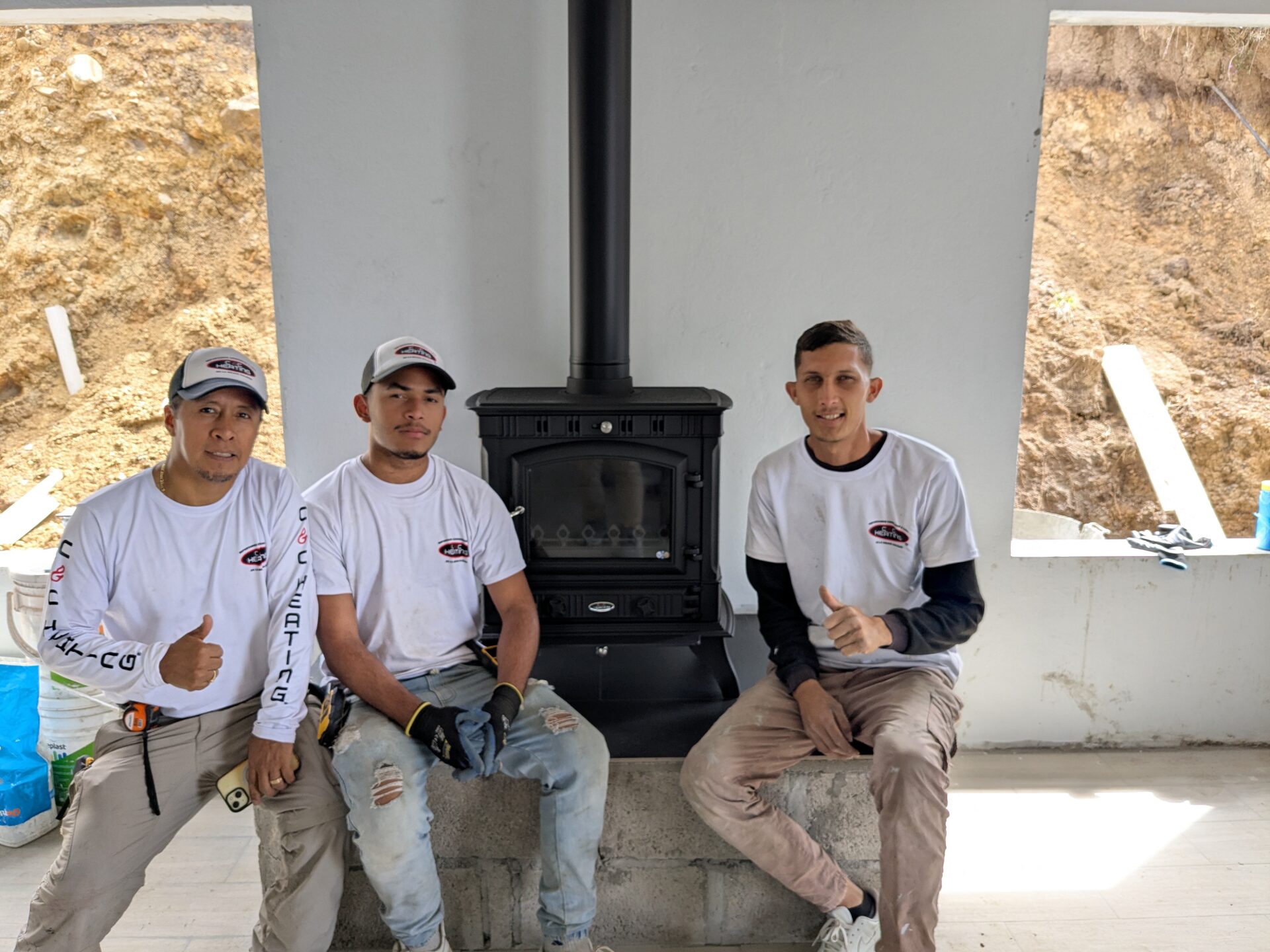
From left to right: Kleber, Juan Pablo, and Willy. I could go on at length about the positive experience of working with this team. From the start, Kleber provided clear technical guidance on selecting the right stove and kept me updated on its arrival. When installation day came, their workmanship exceeded expectations. They were precise, careful, and thoroughly professional. If you are living anywhere in Ecuador and are considering a wood stove, I can’t recommend them highly enough. Their contact information is included below.

Phone USA
Phone Ecuador
Location
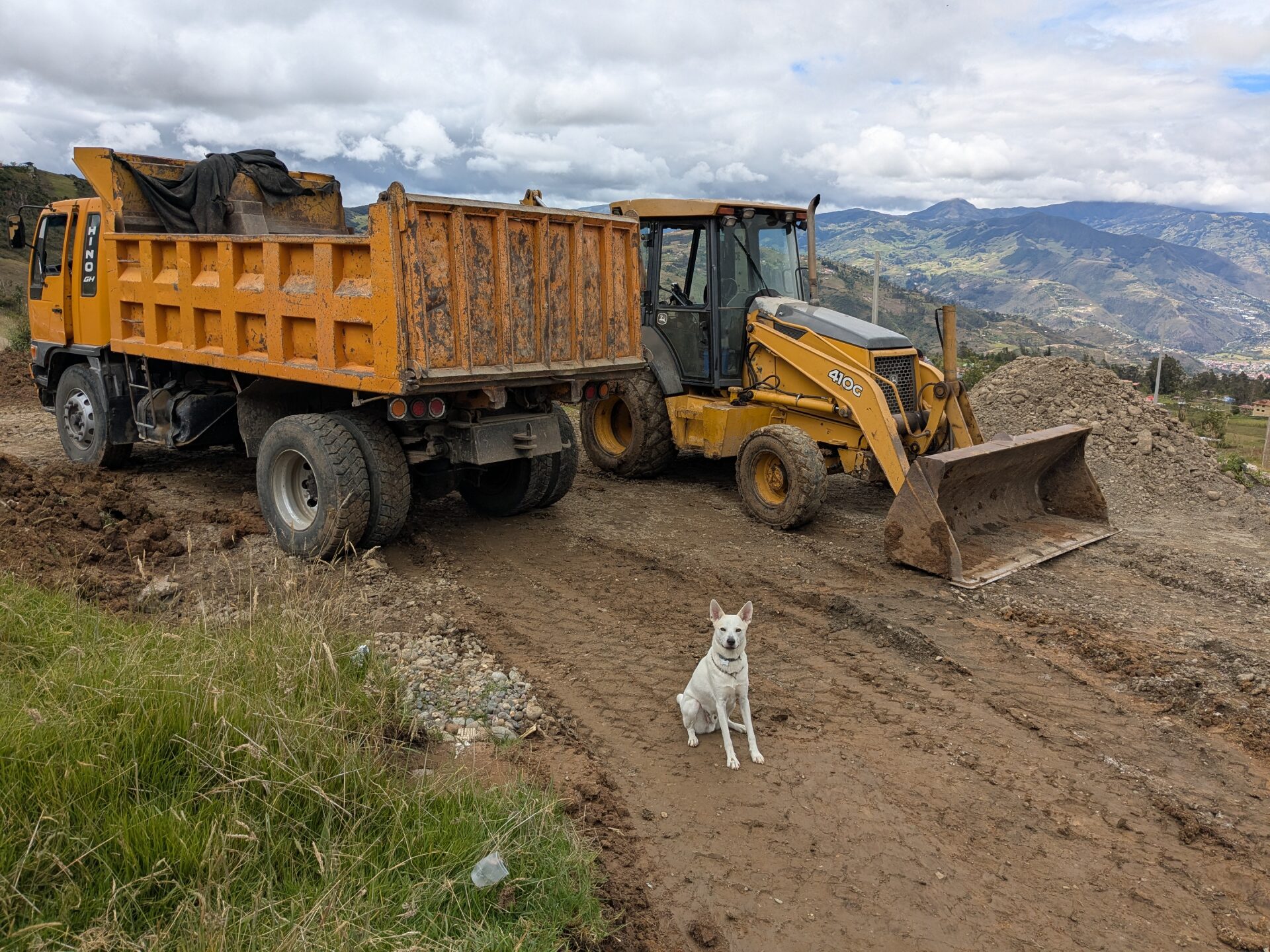
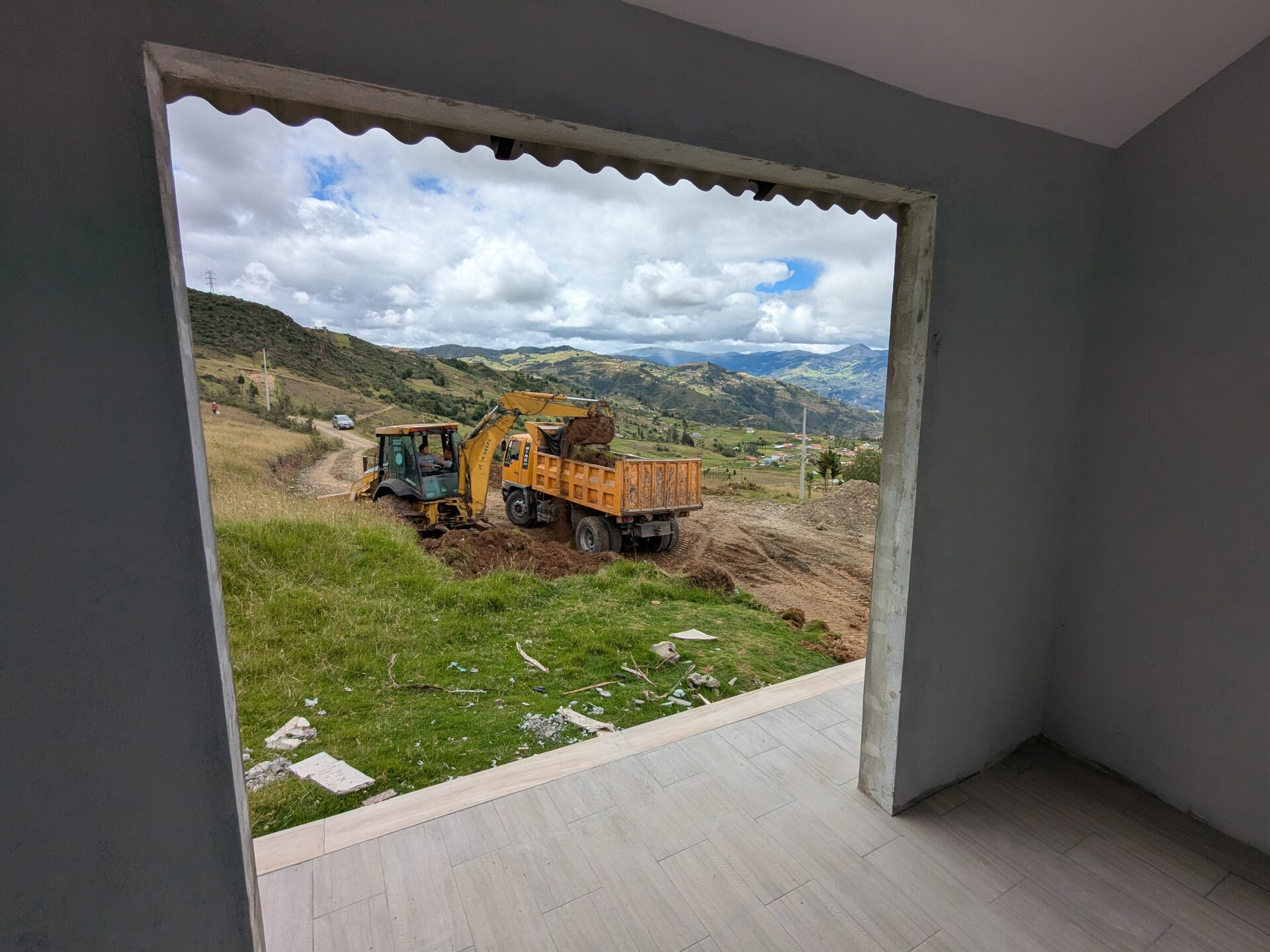
Heavy Construction Equipment returns to Villaflor!
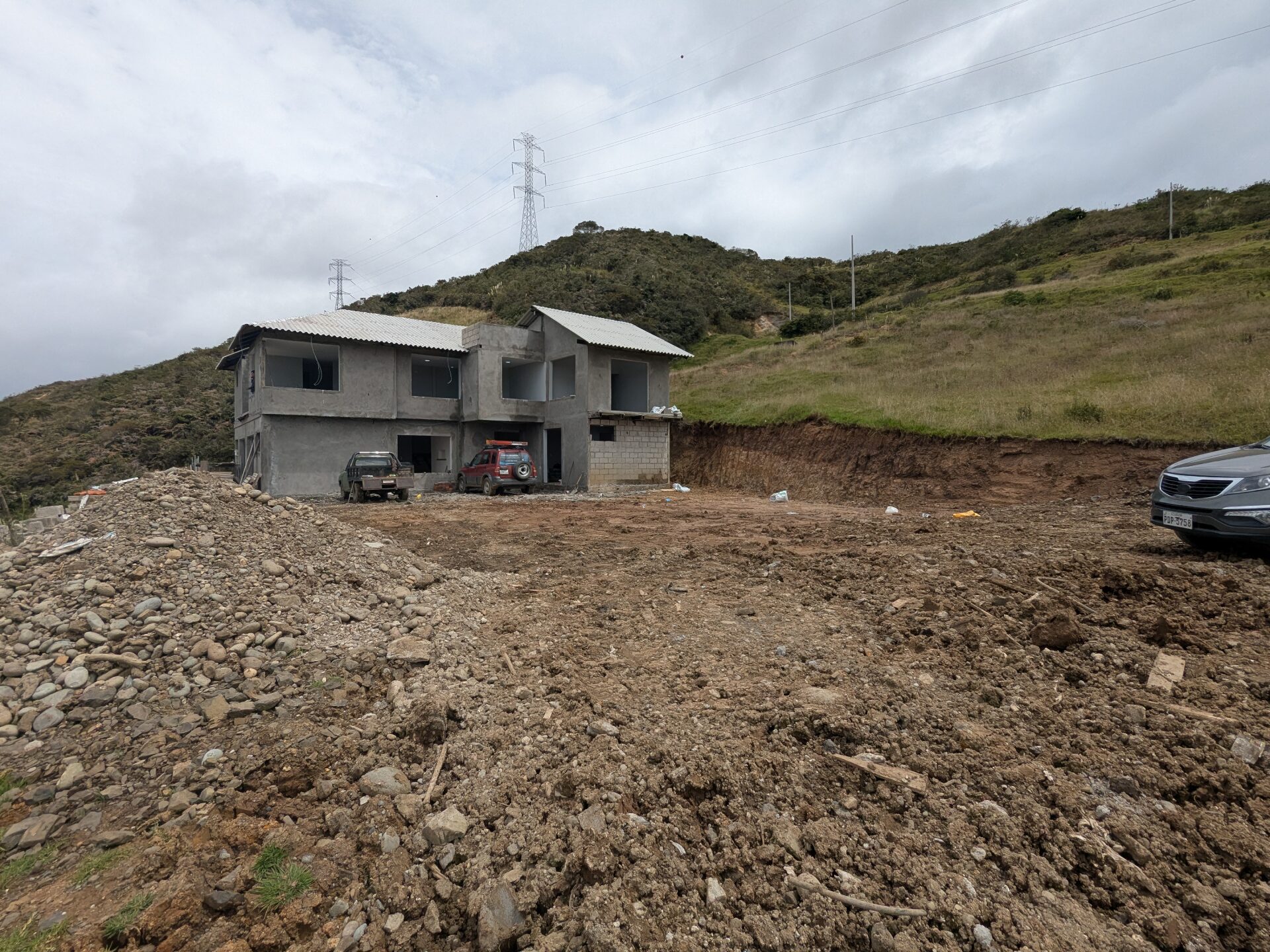
A considerable amount of earth in front of the house still needed to be moved, and under Frodo’s watchful eye that work is now complete. Creating a large, level area in front of the house was essential to support the patio, driveway, and parking. The soil has been relocated across other sections of the property, raising the elevation in key spots and making those areas more usable for future projects.
Another hurdle, over a year in the making, has finally been cleared; we received our escrituras. An escritura is, most simply, a land deed. Because of the rural nature of our purchase, land is commonly divided and passed down through generations, often without any official registration at the prefecture. As new owners planning to develop the property, securing a registered deed was essential.
The process was lengthy. It required completing and submitting land surveys, waiting nine months for a sanctioned engineer to inspect and verify the land, collecting signed accords from neighbors confirming no disputes, and then enduring another long wait while the prefecture approved and stamped the escrituras. Now, at last, the paperwork is complete.
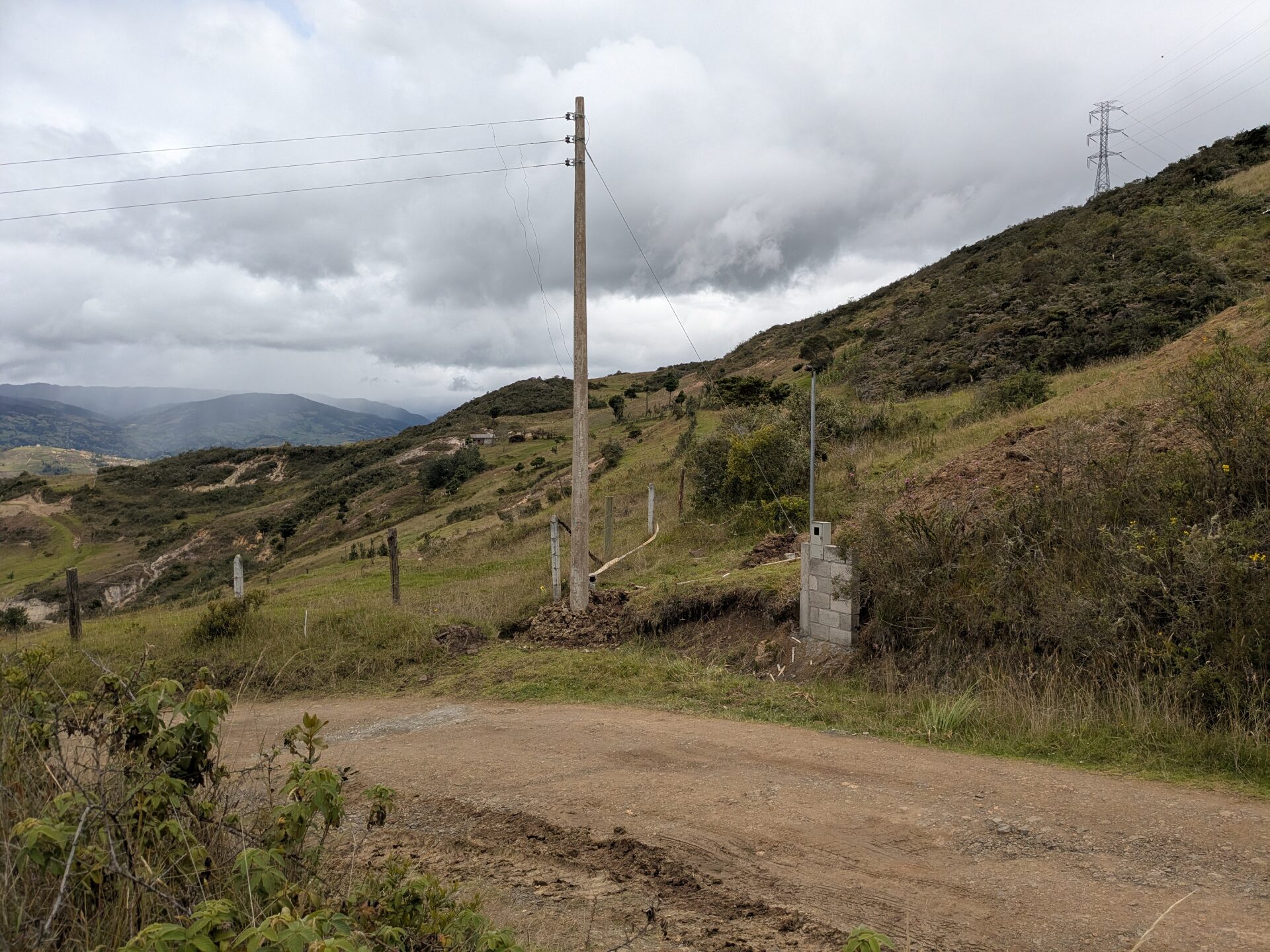
One immediate benefit has been access to electricity. Before obtaining the escrituras, our only option was to hire approved contractors to conduct a study, submit it to the power company, and install the infrastructure, an effort that could cost several thousand dollars. With deeded land, however, we were able to apply directly for service through public funds. A small percentage of every electric bill goes into a fund for grid expansion, and with our escrituras in hand, we qualified. Within weeks of applying, we had a connection to the power grid on site.
This will probably not be the permanent install location as the future may involve the construction of walls at the road line, but for the moment, this simple picture represents the completion of an absolutely monumental task!
It’s looking good!! Really coming together!!